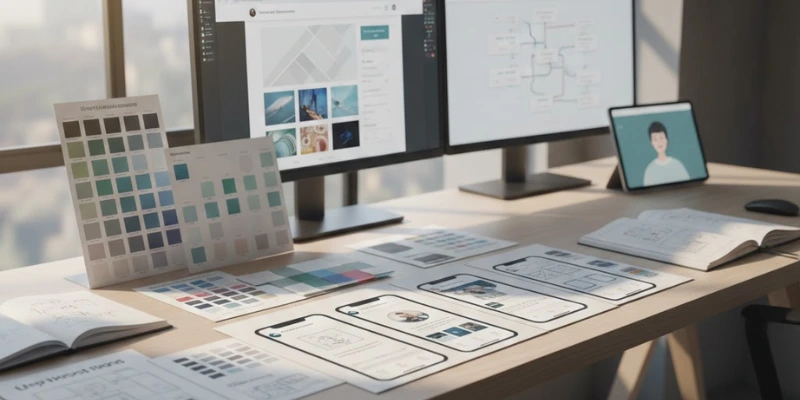
People don’t always realize how much design shapes their thinking. A layout, a color choice, a font style, these small things quietly influence whether someone trusts a brand, feels comfortable using an app, or takes a product seriously. Many beginners notice this only after they start learning design properly, especially when they explore paths like Graphic Design Courses in Trichy, where design is taught as communication, not decoration. That’s when the question becomes real: how exactly do design trends change the way users think and feel?
First impressions are built in seconds
Users form opinions very fast. When someone opens a website, app, or poster, they don’t analyze it logically first they react emotionally. Clean layouts feel trustworthy, cluttered screens feel confusing, balanced spacing feels calm, and poor alignment feels careless. Design trends guide these feelings. Minimal styles often create a sense of clarity, while bold visuals create energy. The user may not understand why they feel a certain way, but the design creates that reaction instantly.
Colors shape emotional response
Colors influence mood more than most people expect. Soft tones feel safe, bright colors feel active, dark shades feel serious, and neutral palettes feel professional. When trends shift, user emotions shift too. A brand that looks modern today may feel outdated tomorrow just because its colors don’t match current visual language. Users trust what feels familiar, and trends help create that sense of familiarity without needing explanation.
Simplicity changes user confidence
Modern design trends often focus on simplicity, clear navigation, and easy layouts. This affects how confident users feel while interacting with a product. When something looks simple, people believe it is easy to use—even before they try it. Complex-looking designs create mental pressure. Users feel unsure and hesitant. This is why clean design trends improve user comfort and reduce confusion, even when the system behind the design is actually complex.
Trends influence trust and credibility
Design trends directly affect trust. People associate modern visuals with professionalism. When a website or app follows current design patterns, users feel safer sharing information or using services. Old-fashioned design styles often create doubt, even if the company is reliable. Trust today is visual first, functional second. Users judge credibility before they judge performance, and design trends shape that judgment quietly.
Skill development through visual understanding
People learning design and communication often understand user perception better when they also explore related fields like Digital Marketing Course in Trichy, where visuals, psychology, and audience behavior connect. Design trends don’t exist alone they reflect user habits, attention spans, and digital behavior. When learners see how design and user behavior work together, they stop designing for beauty and start designing for clarity, comfort, and usability.
Career relevance in real markets
In job markets, designers who understand trends gain better opportunities. Employers look for people who can adapt, not copy old styles. In growing tech regions, learners exploring Graphic Design Courses in Erode often see that companies want designers who understand user psychology, not just tools. Being trend-aware doesn’t mean following fashion, it means understanding how user expectations change and how to design for those expectations.
Trends create familiarity and comfort
Users like what feels familiar. Trends help create visual consistency across platforms. When users see similar layouts, button styles, spacing, and typography everywhere, they feel comfortable navigating new products. This comfort reduces learning time and mental effort. Good trends don’t confuse users they guide them. Bad trends confuse and overwhelm. That’s why responsible designers use trends carefully, not blindly.
Design trends are not just visual styles they are behavior signals. They tell users what to trust, what to ignore, and what feels safe. They shape emotions before logic, perception before experience, and confidence before understanding. For people building careers in design and digital fields, understanding this connection becomes more important than mastering any single tool. Those who combine design awareness with communication skills stay relevant longer. Growth today comes from adaptability, learning user behavior, and understanding how visuals guide thinking. That’s why future-ready careers often blend creative and strategic skills, supported by learning paths Digital Marketing Course in Erode, where design is treated as influence, not just appearance.
Also Check: Guidelines For Hiring The Right Graphic Designing Service