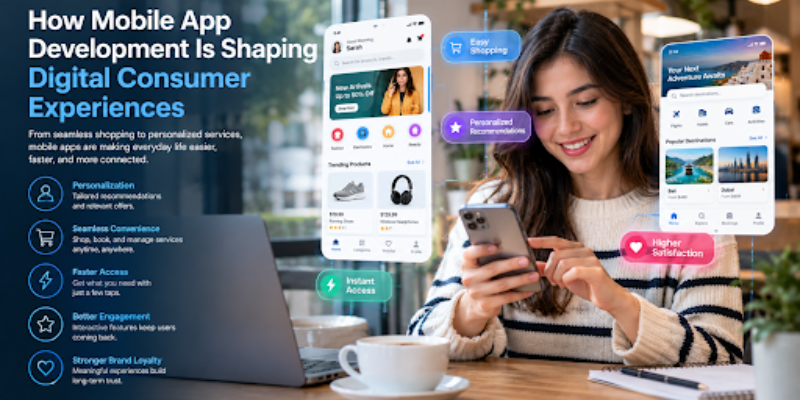
Nobody sits through a slow checkout anymore. Two seconds of lag on a loading screen and a good chunk of users are already gone, back to a competitor’s app that just works faster. That impatience isn’t a character flaw it’s the direct result of what a competent Mobile App Development Company has spent the last decade training consumers to expect: instant, frictionless, personal.
Consumer behavior didn’t shift on its own. It shifted because apps got good enough to make the old way of doing things a clunky website, a phone call, a trip to a physical store feel unnecessary. Here’s how that happened, piece by piece, and what it means for anyone still building for the old expectations.
Speed Became a Non-Negotiable Baseline
There was a time when a few seconds of load delay was tolerable. That window closed. Studies on mobile behavior consistently show abandonment rates climbing sharply once load time crosses roughly three seconds, and app store reviews are brutal about it a slow app gets a one-star rating and a public complaint faster than almost any other flaw.
This pushed development priorities hard toward performance engineering: lazy loading, aggressive caching, smaller asset sizes, code splitting. None of it is glamorous. All of it directly shapes whether someone actually finishes a purchase or abandons a cart halfway through.
Personalization Moved From Nice-to-Have to Expected
Generic experiences don’t hold attention anymore. Streaming apps recommend based on actual viewing history, shopping apps surface products based on browsing patterns, and even banking apps now nudge users toward relevant features instead of showing everyone the same static dashboard. Consumers got used to software that seems to know what they want, and going back to a one-size-fits-all interface feels like a step backward now.
Behind this shift is a lot of quiet machine learning work recommendation engines, behavioral tracking, predictive modeling running constantly in the background so the app in someone’s hand feels like it understands them a little better each time they open it.
Frictionless Payments Rewired Purchase Behavior
Apple Pay, Google Pay, one-tap checkout, saved payment methods these features didn’t just make paying faster, they changed how casually people spend money through an app. Removing the step of typing a card number turns out to matter enormously for conversion rates, because every extra field on a checkout screen is another chance for someone to reconsider and close the app instead.
This is one of the clearer examples of a small technical decision creating a large behavioral shift. Nobody sets out to spend more because checkout got easier. It just happens, quietly, at scale.
Push Notifications Grew Up
Early push notifications were blunt and often annoying generic blasts sent to everyone at the same time regardless of relevance. That approach trained users to disable notifications entirely, which defeated the purpose. Smarter apps now send fewer, better-timed messages based on actual behavior: a cart reminder only if something’s genuinely been abandoned, a reorder nudge only when a subscription is actually running low.
The apps that respected this boundary earned higher opt-in rates and more genuine engagement. The ones that didn’t trained an entire generation of users to swipe away notifications without reading them.
Voice and Conversational Interfaces Entered the Mix
Typing isn’t always the fastest way to get something done, and voice search, voice commands, and chat-based interfaces have carved out real space in mobile experiences particularly for quick tasks like reordering something familiar or checking a delivery status. Conversational AI embedded directly in apps handles a growing share of customer service interactions that used to require a phone call or a support ticket.
This shift matters for accessibility too. Voice interfaces open up mobile experiences for users who find typing difficult, expanding who an app actually works for beyond the typical target demographic.
The Role of UI/UX Design in Mobile App Success
None of the technical improvements above matter much if the interface around them is confusing. A fast, personalized, secure app with a cluttered layout or unclear navigation still loses users, because people judge usability within seconds of opening a screen. Clean visual hierarchy, intuitive gestures, and interfaces that require zero explanation have become the actual differentiator between apps that retain users and apps that get deleted after one confused session.
Augmented Reality Changed How Products Get Evaluated
Trying on glasses without a mirror, previewing furniture in an actual living room, testing paint colors on a real wall through a camera AR features moved from novelty to genuine purchase-decision tools. Retail and home goods apps using AR consistently report lower return rates, because customers make better-informed decisions before buying instead of guessing and hoping.
This isn’t universal yet, and it doesn’t need to be. But in categories where visual fit matters, AR has become a real competitive differentiator rather than a gimmick tacked on for a press release.
Privacy Expectations Reshaped the Backend
Consumers got more aware of data privacy over the past several years, and that awareness now shapes what a good app has to do behind the scenes. Transparent permission requests, clear data usage explanations, and compliance with regulations like GDPR and CCPA aren’t just legal checkboxes anymore they’re part of what makes an app feel trustworthy enough to actually use.
Apps that handle this poorly, with vague permission requests or opaque data practices, increasingly face public backlash that spreads fast through app store reviews and social media.
Where Consumer Expectations Go From Here
The bar keeps rising, and it rarely resets downward. Once consumers get used to instant loading, personalized recommendations, and frictionless payments, there’s no going back to the clunkier version without losing them entirely. Every improvement becomes the new baseline expectation almost immediately.
That’s really the underlying story here mobile development hasn’t just built better apps over the past decade. It’s rebuilt what “good enough” means for an entire generation of consumers, one small improvement at a time, until the accumulated effect changed digital behavior at scale.